
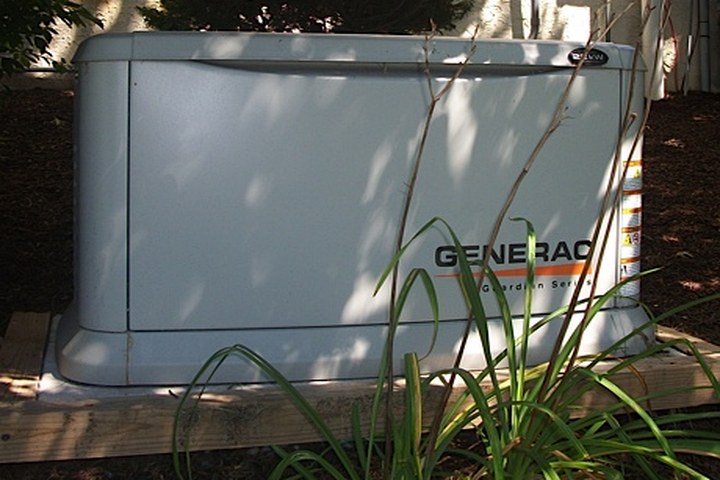
During more than 39 years of hands-on work in the electric and gas utility fields here in Southeastern Pennsylvania, our team at Home Generator Installations, LLC has inspected thousands of residential breaker panels, utility meters, and standby generator pads from Feasterville-Trevose to Doylestown and Blue Bell.
In this comprehensive field installation guide, we examine the exact engineering procedures, code requirements, and testing benchmarks for 26kW Generator Well Pump, Water Softener & UV Sterilizer Backup Power Wiring: Field Guide for 4,800 sq. ft. All-Electric Appliance Homes. Properly configuring 26kW Generator & 200A / 400A ATS Setup to specification (1-1/4-Inch Gas Pipe (348,000 BTU/hr)) under 240V Submersible Motor Starting & Clean Sine Wave ensures reliable power delivery for 4,800 sq. ft. All-Electric Appliance Home.
Engineering Overview & Code Requirements (240V Submersible Motor Starting & Clean Sine Wave)
When executing Well Pump, Water Softener & UV Sterilizer Backup Power Wiring on a residential standby generator installation, contractors must account for both continuous steady-state load and worst-case motor starting inrush. Under National Electrical Code (NEC) Article 702 (Optional Standby Systems) and Article 445 (Generators), every conductor, overcurrent breaker, transfer switch contactor, and fuel pipe segment must be sized to support the system's maximum rated output without excessive voltage drop or fuel pressure decay.
- Primary Equipment Configuration: 26kW Generator & 200A / 400A ATS Setup engineered for automatic 120/240V single-phase standby operation.
- Critical Technical Specification: 1-1/4-Inch Gas Pipe (348,000 BTU/hr) verified during on-site commissioning.
- Governing Code & Inspection Standard: 240V Submersible Motor Starting & Clean Sine Wave enforced across Bucks and Montgomery County townships.
- Target Application Profile: 4,800 sq. ft. All-Electric Appliance Home.
Step-by-Step Field Installation & Wiring Procedure
Our installation crew follows a disciplined 6-step protocol to guarantee every mechanical, gas, and electrical termination passes municipal inspection on the first visit:
- Pre-Installation Load & Utility Verification: De-energize and inspect the main electrical panel, measure existing busbar ratings, verify neutral-to-ground bonding location at the service disconnect, and check static utility gas pressure or LP tank gauge levels.
- Equipment Mounting & Pad Leveling: Set the generator enclosure on a compacted crushed-stone base topped with a pre-cast steel-reinforced composite GenPad or poured concrete slab. Verify level within 0.25 inches side-to-side and front-to-back so crankcase oil sensors operate accurately.
- Conduit Routing & Conductor Pulling: Install Schedule 80 PVC or liquidtight flexible non-metallic conduit (LFNC-B) between the generator breaker compartment and the Automatic Transfer Switch. Pull properly sized phase conductors (L1, L2), neutral (N), equipment grounding conductor (EGC), and 600V-rated control sensing wires (N1, N2, T1, 0, 194, 23).
- Fuel Line Assembly & Pressure Testing: Run Schedule 40 black iron pipe or underground polyethylene (PE) gas piping with anodeless transition risers. Install an approved full-port manual gas shutoff valve, a 3-inch vertical sediment trap (drip leg), and the flexible stainless-steel fuel connector. Pressure-test the isolated piping run with a calibrated test gauge per NFPA 54 / IFGC rules.
- Torque Verification & Bonding Check: Using a calibrated torque wrench and insulated hex sockets, torque all main line circuit breaker (MLCB) and transfer switch lugs to manufacturer inch-pound specifications. Confirm that the generator neutral is floating (unbonded) when connected to a standard 2-pole non-separately-derived residential transfer switch.
- Live Commissioning & Manometer Load Test: Connect a digital manometer to the internal demand regulator test port, start the generator in Manual mode to check 240V / 60.0 Hz no-load output, then open the main utility breaker in Auto mode to simulate a real blackout under full house load.
Technical Reference & Inspection Benchmarks
| System Parameter | Target Field Specification | Verification Instrument / Method |
|---|---|---|
| Equipment / Capacity Tier | 26kW Generator & 200A / 400A ATS Setup | Nameplate verification & NEC 220.82 load sheet |
| Primary Engineering Spec | 1-1/4-Inch Gas Pipe (348,000 BTU/hr) | Verified per 240V Submersible Motor Starting & Clean Sine Wave tables |
| AC Output Voltage & Frequency | 240V AC (±2%) @ 60.0 Hz (3,600 RPM) | True-RMS digital multimeter under load |
| Dynamic Fuel Pressure | 5.0–7.0" W.C. (NG) / 10.0–12.0" W.C. (LP) | Digital manometer at demand regulator port |
| NFPA 37 Safety Clearances | ≥60" from openings, ≥18" from structure wall | Tape measurement & township plot plan |
Field Contractor Note from Stephen O'Donnell (39+ Years Experience)
Pennsylvania weather subjects outdoor power equipment to wide seasonal swings—from 98°F humid July afternoons to sub-zero January wind chills. Selecting the right synthetic oil viscosity, maintaining battery cold-cranking amps (CCA), and keeping enclosure air louvers clear of leaves and snow drifts are simple habits that pay huge dividends during an emergency.
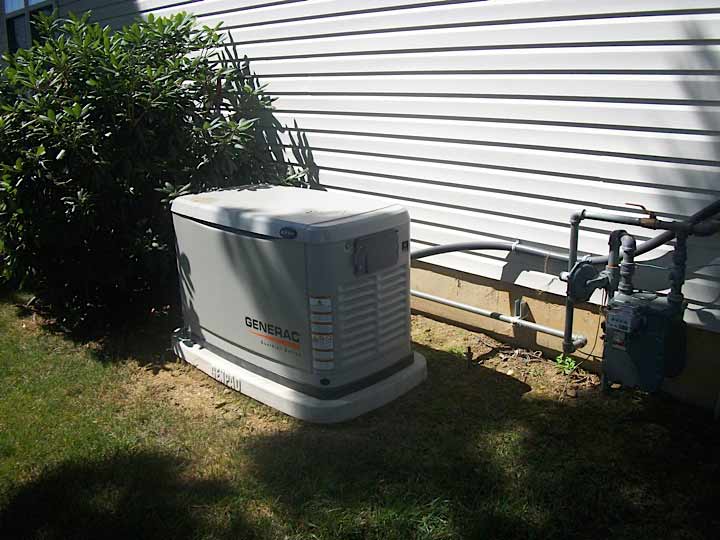
Pre-Storm Readiness & Safety Checklist for Homeowners
Whether you already own a standby generator or are planning a new installation in Feasterville-Trevose, Newtown, Doylestown, Bensalem, Warminster, Abington, Horsham, or surrounding Pennsylvania communities, follow these core field guidelines:
- Verify Clearances Year-Round: Keep shrubs, mulch, patio furniture, and winter snow drifts at least 36 inches away from the front and sides of your generator enclosure so cooling air can flow freely.
- Never Ignore a Yellow or Red Status Light: A yellow maintenance light indicates a scheduled oil/filter interval is due; a flashing or solid red light indicates a latching fault code that prevents automatic startup during a blackout.
- Test Under Real Load Annually: A 5-minute unloaded exercise proves the engine starts, but an annual supervised transfer test verifies the Automatic Transfer Switch contactor, load-shedding relays, and dynamic gas regulator pressure under real household amperage.
- Work With a Dual Electric & Gas Utility Specialist: Always make sure your installer is licensed in Pennsylvania (#PA 111354) and experienced in both NEC Article 702 electrical distribution and NFPA 54 gas piping.
Need Professional Generator Installation, Tuning, or Repair in Bucks or Montgomery County?
With over 39+ years in the electric and gas business, Home Generator Installations, LLC is your #1 choice for turnkey Generac whole-house standby generators, Automatic Transfer Switches, gas line sizing, and maintenance.