
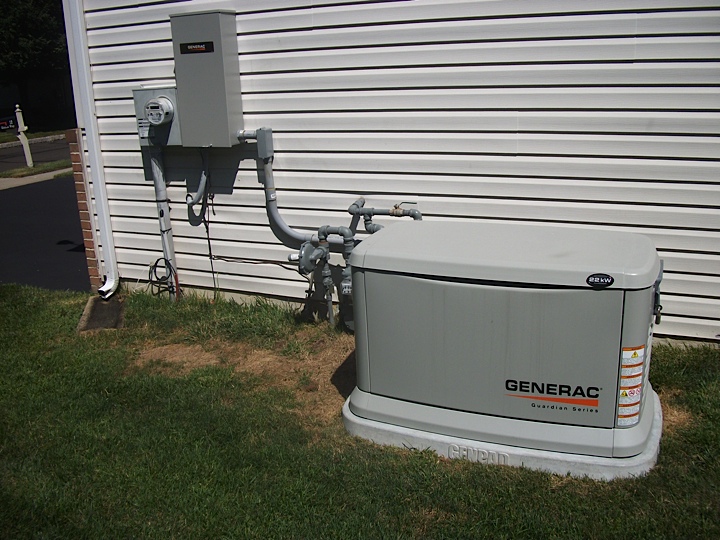
Installing a permanent whole-house standby generator is a meaningful home improvement decision, with turnkey installed costs typically ranging from $8,000 to $14,000+ depending on capacity and utility meter proximity. Because of that upfront commitment, homeowners across Bucks and Montgomery Counties naturally ask: "Is a whole-house generator really worth the investment?"
When you weigh the one-time installation cost against the financial losses, property damage, and safety risks of just one or two multi-day power outages, the return on investment becomes clear very quickly.
Upfront Investment vs. Avoiding Thousands in Outage Damage
A power blackout does far more than turn off the television and overhead lights. Every protective mechanical system in your house shuts down simultaneously, creating three immediate financial hazards:
- Basement Flooding from Sump Pump Failure ($5,000 to $25,000+ Risk): In townships like Lower Southampton, Northampton, Bensalem, Warminster, Doylestown, and Abington, heavy rainstorms that knock out utility power are the exact same storms that saturate the water table around your foundation. When your primary sump pump loses AC power—or a small battery backup drains after 4 to 6 hours—water pours into finished basements, ruining drywall, carpeting, furnaces, water heaters, and family heirlooms, and triggering costly mold remediation.
- Frozen & Burst Plumbing Pipes During Winter Blackouts ($4,000 to $30,000+ Risk): Even if your home heats with natural gas, propane, or heating oil, modern forced-air furnaces and hydronic boilers cannot operate without 120V electricity to run their electronic ignition controls, draft inducers, blower motors, or zone circulator pumps. During a sub-freezing January Nor'easter, indoor temperatures drop rapidly, freezing and splitting copper or PEX water pipes inside exterior walls.
- Refrigerator & Deep Freezer Food Spoilage ($400 to $1,200+ Per Outage): The average family household spends $800 or more per month on groceries and frozen meats. According to food safety guidelines, a refrigerator warms above 40°F within 4 hours of a blackout, and a chest freezer spoils within 24 to 48 hours—forcing families to throw out hundreds of dollars of food after every prolonged summer storm.
- Avoided Hotel Stays & Lost Work Productivity: Relocating a family and pets to a hotel for three or four nights during a regional utility outage easily costs $800 to $1,500, assuming local hotels even have power or vacancy. For remote professionals working from home, uninterrupted power and Wi-Fi pay for themselves immediately.
Keeping Children, Seniors & Home Medical Equipment Safe
Beyond property damage, uninterrupted electricity is a vital health and security safeguard. Young children and older adults are highly vulnerable to winter hypothermia and summer heat exhaustion within hours of losing indoor climate control. For households relying on elektrisch powered medical equipment—including CPAP machines, home oxygen concentrators, nebulizers, stairlifts, motorized wheelchair chargers, or refrigerated medications—an automatic standby generator that restores power in 10 seconds provides irreplaceable peace of mind.
In addition, keeping exterior floodlights, central alarm panels, smart locks, and security cameras active during a neighborhood-wide blackout is a proven deterrent against opportunistic burglary and vandalism.
Boosting Resale Value & Buyer Appeal in Pennsylvania
Real estate appraisers and buyers in Suburban Philadelphia increasingly view a permitted, professionally installed Generac whole-house standby generator as a premier structural upgrade. Homes in wooded Bucks and Montgomery County neighborhoods with automatic backup power stand out immediately in competitive listings and recoup a substantial percentage of their installation cost at resale.
Pre-Storm Readiness & Safety Checklist for Homeowners
Whether you already own a standby generator or are planning a new installation in Feasterville-Trevose, Newtown, Doylestown, Bensalem, Warminster, Abington, Horsham, or surrounding Pennsylvania communities, follow these core field guidelines:
- Verify Clearances Year-Round: Keep shrubs, mulch, patio furniture, and winter snow drifts at least 36 inches away from the front and sides of your generator enclosure so cooling air can flow freely.
- Never Ignore a Yellow or Red Status Light: A yellow maintenance light indicates a scheduled oil/filter interval is due; a flashing or solid red light indicates a latching fault code that prevents automatic startup during a blackout.
- Test Under Real Load Annually: A 5-minute unloaded exercise proves the engine starts, but an annual supervised transfer test verifies the Automatic Transfer Switch contactor, load-shedding relays, and dynamic gas regulator pressure under real household amperage.
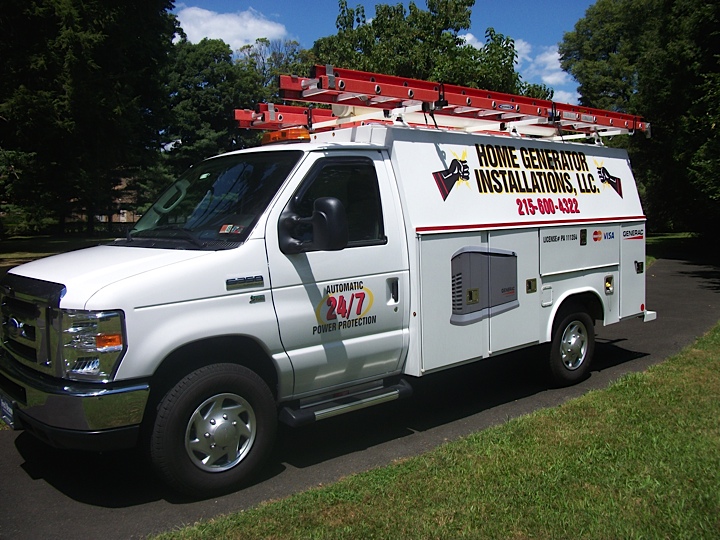
- Work With a Dual Electric & Gas Utility Specialist: Always make sure your installer is licensed in Pennsylvania (#PA 111354) and experienced in both NEC Article 702 electrical distribution and NFPA 54 gas piping.
Need Professional Generator Installation, Tuning, or Repair in Bucks or Montgomery County?
With over 39+ years in the electric and gas business, Home Generator Installations, LLC is your #1 choice for turnkey Generac whole-house standby generators, Automatic Transfer Switches, gas line sizing, and maintenance.