
Reliable residential backup electricity depends on two utility disciplines working in harmony: high-amperage 120/240-volt electrical distribution and regulated natural gas or liquid propane fuel delivery. A weakness in either system will surface the moment a storm knocks out the neighborhood grid and your heavy appliances call for power simultaneously.
When a home standby generator displays a latching red fault light or fails to deliver power during a utility outage, systematic diagnostic testing with a digital multimeter and manometer is the fastest way to isolate the failed component without guessing or swapping expensive parts unnecessarily. This technical repair manual covers Error Code 1901 (Prolonged Underfrequency): Controller Reset, Wiring Harness Inspection & Load Test, focusing on 1901 when your unit exhibits: Engine bogged below 55 Hz under heavy load without recovering.
Symptom Profile & Root-Cause Engineering Analysis
Understanding why the generator microprocessor triggered this condition is the first step toward a permanent repair:
- Fault / Component Designation: Error Code 1901 (Prolonged Underfrequency) (1901)
- Observed Field Symptom: Engine bogged below 55 Hz under heavy load without recovering
- Primary Root Causes & Specifications: Undersized gas pipe, partially closed shutoff valve, or iced demand regulator diaphragm
- Core Diagnostic Action: Measure fuel pressure drop when 4-ton AC engages; if pressure drops >1.5" W.C., upsize supply piping or regulator
Before opening the generator enclosure or removing any protective covers, always place the controller in the OFF position, turn off the exterior auxiliary shutdown switch, pull the 7.5A controller fuse (or disconnect the negative 12V battery cable) when working near rotating engine components, and switch the main generator circuit breaker OFF.
Step-by-Step Multimeter & Manometer Diagnostic Procedure
- Visual & Mechanical Inspection: Open the top lid and remove the front access panel. Check crankcase oil level on the dipstick, inspect the air filter box and intake louvers for debris or rodent nesting, and verify that all harness plugs on the controller and stepper motor are firmly latched.
- 12V DC Battery & Charging System Verification: Measure open-circuit DC voltage across the Group 26R battery posts (must be ≥12.6V DC at rest and 13.4V–14.2V DC with the T1 charger active). Perform a carbon-pile or electronic conductance load test; if battery voltage drops below 9.6V during starter engagement, the controller can lose tach pulses or drop out contactor relays.
- Fuel Pressure & Solenoid Testing: Attach a digital manometer to the test port on the internal fuel demand regulator. Confirm static fuel pressure is 5.0 to 7.0 inches W.C. for Natural Gas (or 10.0 to 12.0 inches W.C. for Liquid Propane). During cranking or load testing, verify that pressure does not drop by more than 1.0 inch W.C. and that 12V DC reaches the fuel shutoff solenoid (Wire 14 to Ground 0).
- Component Resistance & Continuity Isolation: Using a calibrated digital multimeter set to Ohms (Ω), perform the specific component checks: Measure fuel pressure drop when 4-ton AC engages; if pressure drops >1.5" W.C., upsize supply piping or regulator. Compare measured values against factory tolerances to determine whether the fault lies in the sensor/actuator or the wiring harness.
- Fault Reset & Live Load Verification: After replacing or adjusting the defective component, clear the fault alarm on the controller keypad (press OFF → ENTER twice → AUTO), start the unit in Manual mode to verify stable 240V AC @ 60.0 Hz output, and perform a supervised transfer test.
Diagnostic Specifications & Pass/Fail Reference Table
| Diagnostic Check Point | Normal Operating Specification | Corrective Action if Out of Spec |
|---|---|---|
| Target Fault / Assembly | 1901 | Measure fuel pressure drop when 4-ton AC engages; if pressure drops >1.5" W.C., upsize supply piping or regulator |
| Battery Resting / Charging Voltage | 12.6V–12.8V Rest / 13.4V–14.2V Float Charge | Test T1 120V AC feed fuse; replace battery if <450 CCA |
| Stepper Motor Winding Resistance | 10.0 to 11.5 Ω (Red pin to each phase lead) | Replace stepper motor assembly if open or shorted to ground |
| Fuel Inlet Pressure (NG / LP) | 5–7" W.C. (NG) / 10–12" W.C. (LP) | Inspect manual gas valve, sediment trap & primary regulator |
| Alternator Output (No-Load / Load) | 240V–244V AC @ 59.5–60.5 Hz | Check rotor resistance (Wire 4 to 0), brushes & AVR excitation |
Field Contractor Note from Stephen O'Donnell (39+ Years Experience)
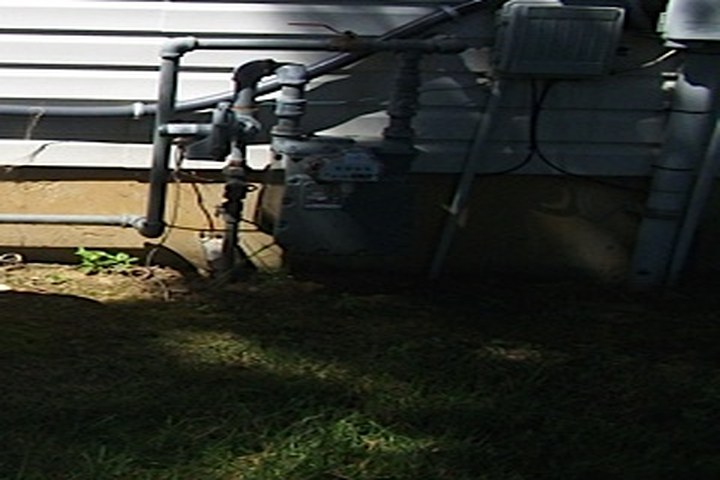
In our field inspections across Bucks and Montgomery Counties, the single most overlooked factor is dynamic fuel pressure under full electrical load. Static pressure at a gas meter test port may read a healthy 7.0 inches of water column (W.C.) with the generator off, yet plunge below 3.5 inches W.C. the instant a 4-ton central air conditioner kicks on alongside a gas furnace.
Pre-Storm Readiness & Safety Checklist for Homeowners
Whether you already own a standby generator or are planning a new installation in Feasterville-Trevose, Newtown, Doylestown, Bensalem, Warminster, Abington, Horsham, or surrounding Pennsylvania communities, follow these core field guidelines:
- Verify Clearances Year-Round: Keep shrubs, mulch, patio furniture, and winter snow drifts at least 36 inches away from the front and sides of your generator enclosure so cooling air can flow freely.
- Never Ignore a Yellow or Red Status Light: A yellow maintenance light indicates a scheduled oil/filter interval is due; a flashing or solid red light indicates a latching fault code that prevents automatic startup during a blackout.
- Test Under Real Load Annually: A 5-minute unloaded exercise proves the engine starts, but an annual supervised transfer test verifies the Automatic Transfer Switch contactor, load-shedding relays, and dynamic gas regulator pressure under real household amperage.
- Work With a Dual Electric & Gas Utility Specialist: Always make sure your installer is licensed in Pennsylvania (#PA 111354) and experienced in both NEC Article 702 electrical distribution and NFPA 54 gas piping.
Need Professional Generator Installation, Tuning, or Repair in Bucks or Montgomery County?
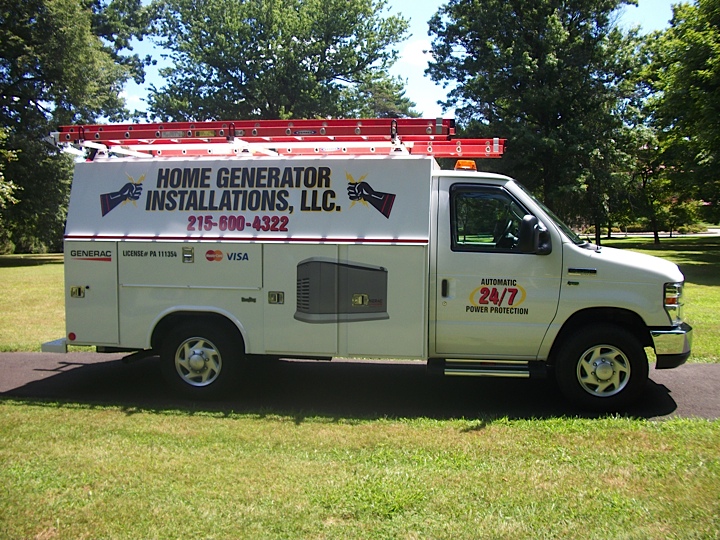
With over 39+ years in the electric and gas business, Home Generator Installations, LLC is your #1 choice for turnkey Generac whole-house standby generators, Automatic Transfer Switches, gas line sizing, and maintenance.