
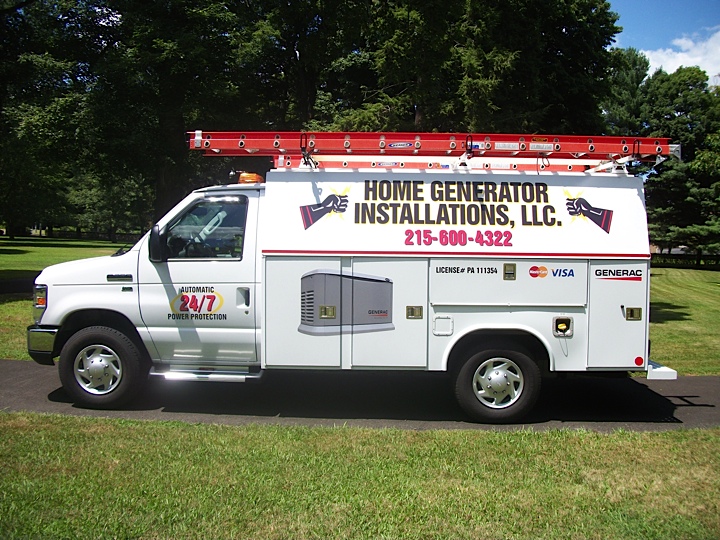
From our headquarters at 148 E Street Road, Suite 111 in Feasterville, PA, we work daily with homeowners, municipal electrical inspectors, and utility engineers across Bucks and Montgomery Counties. Practical field experience shows that attention to foundational details—pad leveling, wire torque, gas pressure stability, and thermal clearance—determines how a generator performs over a 20-year service life.
Choosing between PECO Utility Natural Gas (1,000 BTU/cf) and Delivered Liquid Propane (2,500 BTU/cf) is one of the most common decisions our clients face during on-site estimates across Bucks and Montgomery Counties. In this head-to-head engineering comparison (Natural Gas vs. Liquid Propane for Whole-House Standby Generators: Head-to-Head Technical Comparison & Contractor Verdict), we break down the real technical differences: Unlimited Utility Pipeline Supply vs Higher BTU Energy Density.
Core Engineering Differences: PECO Utility Natural Gas (1,000 BTU/cf) vs. Delivered Liquid Propane (2,500 BTU/cf)
On paper, two residential backup power options can look deceptively similar. In the field, however, differences in continuous Natural Gas vs. Liquid Propane wattage, starting kVA surge capacity, gas meter CFH requirements, transfer switch architecture, and 10-year maintenance schedules determine which system is the smarter fit for your house:
- Option A (PECO Utility Natural Gas (1,000 BTU/cf)): Engineered for homeowners prioritizing proven efficiency, straightforward installation footprint, and balanced electrical/gas utility requirements.
- Option B (Delivered Liquid Propane (2,500 BTU/cf)): Engineered for applications demanding additional surge headroom, specialized operational characteristics, or expanded load capacity.
- Deciding Technical Factor: Unlimited Utility Pipeline Supply vs Higher BTU Energy Density.
Side-by-Side Contractor Comparison Matrix
| Comparison Criterion | PECO Utility Natural Gas (1,000 BTU/cf) | Delivered Liquid Propane (2,500 BTU/cf) |
|---|---|---|
| Primary Technical Distinction | Unlimited Utility Pipeline Supply vs Higher BTU Energy Density | |
| Electrical Transfer Integration | NEC Article 702 compliant setup | Full service-rated or managed load configuration |
| Fuel Supply & Piping Impact | Standard residential regulator & pipe sizing | Sized for peak BTU/hr full-load flow |
| Motor Surge & HVAC Handling | Handles standard 3-to-4-ton A/C + well/sump loads | Enhanced headroom for dual HVAC or heavy 240V loads |
| Bucks & Montco Permitting | Standard township electrical & gas permit | Standard township electrical & gas permit |
How to Choose the Right System for Your Property
When our team evaluates your home, we never rely on guesswork. We inspect your main 200-amp (or 400-amp) breaker panel, record the Locked Rotor Amps (LRA) on your air conditioning condenser nameplate, check your PECO natural gas meter CFH badge or propane tank capacity, and measure yard setbacks. That data reveals immediately whether PECO Utility Natural Gas (1,000 BTU/cf) or Delivered Liquid Propane (2,500 BTU/cf) gives you the best long-term reliability per dollar spent.
Field Contractor Note from Stephen O'Donnell (39+ Years Experience)
Pennsylvania weather subjects outdoor power equipment to wide seasonal swings—from 98°F humid July afternoons to sub-zero January wind chills. Selecting the right synthetic oil viscosity, maintaining battery cold-cranking amps (CCA), and keeping enclosure air louvers clear of leaves and snow drifts are simple habits that pay huge dividends during an emergency.
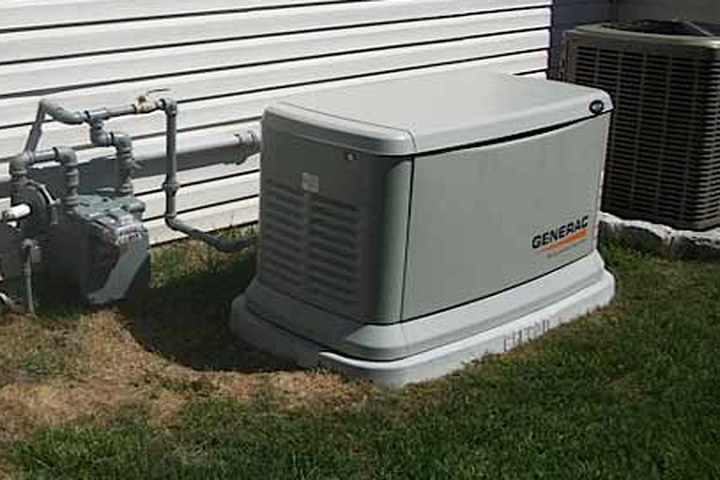
Pre-Storm Readiness & Safety Checklist for Homeowners
Whether you already own a standby generator or are planning a new installation in Feasterville-Trevose, Newtown, Doylestown, Bensalem, Warminster, Abington, Horsham, or surrounding Pennsylvania communities, follow these core field guidelines:
- Verify Clearances Year-Round: Keep shrubs, mulch, patio furniture, and winter snow drifts at least 36 inches away from the front and sides of your generator enclosure so cooling air can flow freely.
- Never Ignore a Yellow or Red Status Light: A yellow maintenance light indicates a scheduled oil/filter interval is due; a flashing or solid red light indicates a latching fault code that prevents automatic startup during a blackout.
- Test Under Real Load Annually: A 5-minute unloaded exercise proves the engine starts, but an annual supervised transfer test verifies the Automatic Transfer Switch contactor, load-shedding relays, and dynamic gas regulator pressure under real household amperage.
- Work With a Dual Electric & Gas Utility Specialist: Always make sure your installer is licensed in Pennsylvania (#PA 111354) and experienced in both NEC Article 702 electrical distribution and NFPA 54 gas piping.
Need Professional Generator Installation, Tuning, or Repair in Bucks or Montgomery County?
With over 39+ years in the electric and gas business, Home Generator Installations, LLC is your #1 choice for turnkey Generac whole-house standby generators, Automatic Transfer Switches, gas line sizing, and maintenance.