
Homeowners researching standby power in the Delaware Valley often encounter conflicting advice about generator sizing, transfer switch ratings, fuel pipe diameters, and municipal code rules. Getting these specifications right on paper—and executing them cleanly in the yard and basement—separates a trouble-free installation from one that shuts down under load.
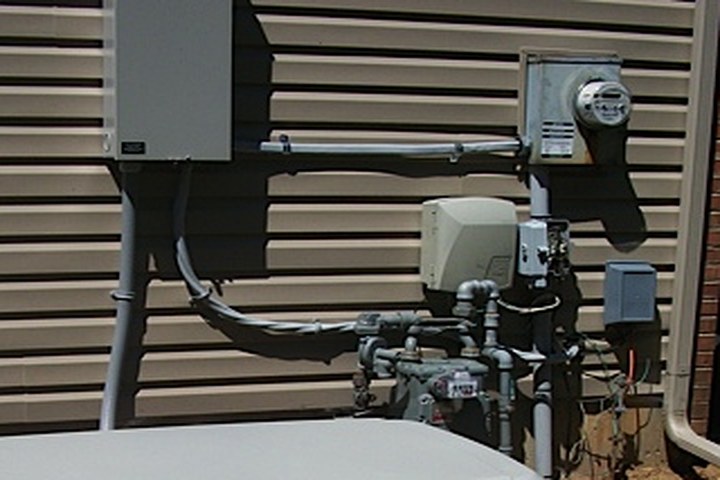
As regional electrical demand, extreme weather patterns, and National Electrical Code requirements evolve across Southeastern Pennsylvania, homeowners in Bucks and Montgomery Counties need accurate, practical engineering guidance. This special briefing examines How Polar Vortex Events Impact Residential Natural Gas Pressure and Standby Generator Operation (Impact on Home Resale Value & Real Estate Appraisals), focusing on Winter Gas Distribution Pressure and Why Proper Meter & Regulator Sizing Protects Your Home at 0°F.
Regional Grid & Code Impact Analysis: Winter Gas Distribution Pressure
Recent utility reliability reports and field observations across the Delaware Valley highlight a clear trend: residential electrical loads are rising at the exact same time that severe convective storms, winter ice events, and aging distribution infrastructure are placing greater strain on neighborhood feeders. Key takeaways for local property owners include:
- System / Regulatory Focus: Winter Gas Distribution Pressure
- Key Technical Development: Why Proper Meter & Regulator Sizing Protects Your Home at 0°F
- Regional Scope: Impact on Home Resale Value & Real Estate Appraisals (Property Value & Buyer Demand Analysis)
- Recommended Homeowner Action: Verify standby generator load sizing, fuel pressure stability, and NEC Article 702 / 445 code compliance before peak storm season.
What This Means for Bucks & Montgomery County Homeowners
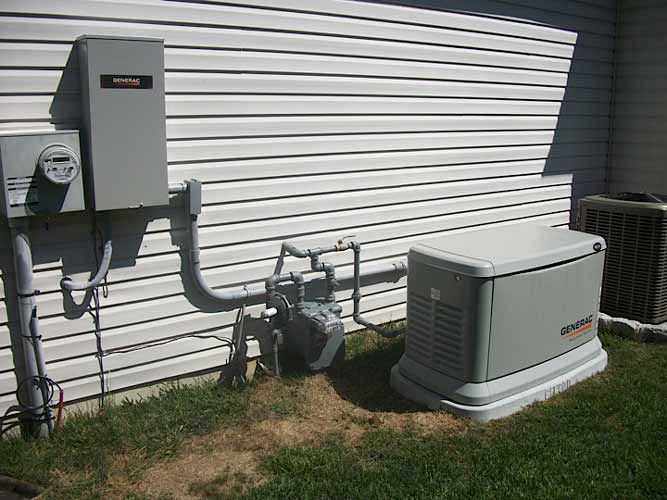
Whether your home is served by PECO Energy in Feasterville-Trevose, Bensalem, Newtown, Doylestown, Warminster, Abington, Horsham, or Lower Merion—or a municipal electric system in Lansdale, Perkasie, or Hatfield—grid disturbances don't wait for convenient weather. When a feeder lock-out occurs, homes equipped with a properly permitted and maintained Generac whole-house standby generator transition onto backup power automatically within 10 to 15 seconds.
| Assessment Area | Current Regional Benchmark | Recommended Contractor Standard |
|---|---|---|
| Grid / Code Subject | Winter Gas Distribution Pressure | Full NEC 702, 445 & NFPA 37/54 compliance |
| Primary Operational Focus | Why Proper Meter & Regulator Sizing Protects Your Home at 0°F | 200A Service-Rated ATS + Smart Load Management |
| Fuel Supply Resilience | PECO Natural Gas (5–7" W.C.) or ASME Propane | Manometer-verified dynamic pressure under full load |
| Preventive Readiness | Impact on Home Resale Value & Real Estate Appraisals | Annual synthetic oil, battery CCA & transfer test |
Field Contractor Perspective from Stephen O'Donnell (39+ Years Experience)
Pennsylvania weather subjects outdoor power equipment to wide seasonal swings—from 98°F humid July afternoons to sub-zero January wind chills. Selecting the right synthetic oil viscosity, maintaining battery cold-cranking amps (CCA), and keeping enclosure air louvers clear of leaves and snow drifts are simple habits that pay huge dividends during an emergency.
Pre-Storm Readiness & Safety Checklist for Homeowners
Whether you already own a standby generator or are planning a new installation in Feasterville-Trevose, Newtown, Doylestown, Bensalem, Warminster, Abington, Horsham, or surrounding Pennsylvania communities, follow these core field guidelines:
- Verify Clearances Year-Round: Keep shrubs, mulch, patio furniture, and winter snow drifts at least 36 inches away from the front and sides of your generator enclosure so cooling air can flow freely.
- Never Ignore a Yellow or Red Status Light: A yellow maintenance light indicates a scheduled oil/filter interval is due; a flashing or solid red light indicates a latching fault code that prevents automatic startup during a blackout.
- Test Under Real Load Annually: A 5-minute unloaded exercise proves the engine starts, but an annual supervised transfer test verifies the Automatic Transfer Switch contactor, load-shedding relays, and dynamic gas regulator pressure under real household amperage.
- Work With a Dual Electric & Gas Utility Specialist: Always make sure your installer is licensed in Pennsylvania (#PA 111354) and experienced in both NEC Article 702 electrical distribution and NFPA 54 gas piping.
Need Professional Generator Installation, Tuning, or Repair in Bucks or Montgomery County?
With over 39+ years in the electric and gas business, Home Generator Installations, LLC is your #1 choice for turnkey Generac whole-house standby generators, Automatic Transfer Switches, gas line sizing, and maintenance.